

Happy Dad has quickly become one of the most talked-about creator-led beverage brands in the United States. Founded by the NELK Boys team, the brand turned online influence into a successful hard seltzer business with strong retail growth and loyal customers. The happy dad net worth reflects its rising brand value, impressive revenue potential, and unique marketing approach.
From its founders and ownership structure to sales growth, flavors, and future plans, Happy Dad’s journey shows how social media power can transform a startup into a major player in the competitive alcoholic beverage industry. This guide covers everything you need to know about the company’s success and valuation.
Quick Bio
| Category | Details |
| Brand Name | Happy Dad Hard Seltzer |
| Founded | 2021 |
| Founders | Kyle Forgeard, Sam Shahidi, and John Shahidi |
| Industry | Alcoholic beverage industry (Premium hard seltzer category) |
| Company Type | Privately held company |
| Headquarters | United States |
| Main Product | Hard seltzer with 5% ABV and 16 oz cans |
| Ownership | Founded and controlled by the Happy Dad founding team; exact ownership percentages remain private |
| Estimated Brand Value | Around $250 million to $300 million based on industry estimates |
| Estimated Annual Revenue | Approximately $80 million to $150 million (industry estimates) |
| Distribution Reach | Available across 30+ U.S. states through major retailers and beverage outlets |
| Popular Products | Wild Cherry, Lemon Lime, Watermelon, Grape, Pineapple, Banana, Tea, and Fruit Punch flavors |
Who Owns Happy Dad?
Happy Dad Hard Seltzer is a privately held company that launched in 2021 as an influencer owned beverage brand. The company was created by Kyle Forgeard, Sam Shahidi, and John Shahidi, combining the massive online reach of the NELK Boys with the business experience of the Shahidi brothers. Together, they transformed the loyal Full Send community into a powerful customer base that helped the brand stand out in the crowded Alcoholic beverage industry. Unlike many beverage startups that depend heavily on traditional advertising, Happy Dad built its reputation through authentic creator-led promotion and direct engagement with fans. Sam Shahidi serves as Happy Dad CEO, overseeing operations and long-term expansion, while John Shahidi focuses on strategic growth and partnerships. The founders continue to position Happy Dad as an independent lifestyle-driven company rather than a celebrity endorsement project.
Although many fans ask about Happy Dad ownership percentage, the company has never publicly released an official equity breakdown because it remains privately owned. Reports consistently indicate that the founding team retains control of the business, while SteveWillDoIt has been widely reported to own a minority stake. However, the exact percentages haven’t been confirmed by the company itself. This private structure allows the founders to make long-term decisions without the reporting requirements that public companies face. As a result, Happy Dad ownership continues to attract curiosity from investors and fans alike, especially as the company’s estimated Happy Dad valuation has climbed rapidly over the past few years.
How Happy Dad Became So Popular
Happy Dad entered the market with a simple goal: create a Premium hard seltzer that actually tasted good. At the time, consumers had plenty of choices, including White Claw, Truly, and products from the Mark Anthony Group, Boston Beer Company, and E & J Gallo Winery. Instead of copying competitors, the founders introduced larger 16 oz cans, a smoother flavor profile, 5% ABV, and a Gluten free formulation made with Fermented cane sugar. Those differences immediately gave the brand its own identity while appealing to younger consumers who wanted something different from traditional hard seltzers.
The company’s greatest advantage wasn’t just the beverage. It was the audience. Millions of loyal followers from the NELK Boys, Full Send, and SteveWillDoIt already trusted the founders before the first can reached store shelves. Every launch, event, and product announcement received instant attention across YouTube, Instagram, TikTok, and podcasts. That community-first approach became a textbook example of Community-driven marketing, proving that a strong audience can outperform expensive television advertising. The result was rapid Happy Dad growth, increasing Hard seltzer sales, and a recognizable Lifestyle brand that expanded well beyond drinks.
Few beverage startups have grown as quickly as Happy Dad. Since being Founded 2021, the company has expanded from an online creator-backed launch into a nationally recognized alcohol brand. Its success comes from blending quality products with a powerful Digital marketing strategy that keeps fans engaged long after they make their first purchase. Every new flavor, merchandise drop, or collaboration reinforces the connection between the brand and its community.
Industry analysts estimate the Happy Dad company worth at approximately $250 million to $300 million (net worth estimate), although some broader market discussions place the value closer to $100 million (low-end broader estimate) depending on the valuation method used. These estimates often rely on projected Happy Dad revenue, growth potential, retail expansion, and comparable beverage acquisitions rather than publicly released financial statements because the company remains privately owned. As distribution continues expanding, many analysts believe the brand’s long-term value could increase significantly.
Initial Struggles and Successes
Breaking into the beverage industry wasn’t easy. The shelves were already dominated by household names with decades of experience and nationwide distribution networks. Convincing retailers to carry another hard seltzer required more than influencer popularity. The founders needed reliable manufacturing partners, distributor relationships, and consistent product quality while competing against billion-dollar companies.
Those early challenges eventually became strengths. As more retailers added Happy Dad to their inventory, the company expanded its Happy Dad distribution across 30+ US states before continuing its nationwide rollout. Today, customers can find the brand in major retailers such as Walmart, Costco, Total Wine, and 7-Eleven, helping drive both Happy Dad convenience store sales and broader retail growth. This expanding footprint has played a major role in improving Happy Dad market share while strengthening the company’s position among America’s fastest-growing creator-led beverage brands.
Happy Dad Net Worth (2026)
Because Happy Dad is privately owned, no official market valuation has been released. Most industry observers estimate Happy Dad Net Worth 2026 by examining annual sales, distribution growth, retail performance, and comparable acquisitions within the beverage industry. Current estimates generally place the company’s Happy Dad brand value between $250 million to $300 million (net worth estimate), while more conservative analyses suggest a $100 million (low-end broader estimate). These figures should be viewed as informed estimates rather than confirmed financial disclosures.
Another common valuation method applies a Revenue multiple 2.5x to 4x to projected annual sales. Based on reports that estimate Annual revenue $80 million to $150 million, analysts arrive at similar valuation ranges depending on expected future growth and profitability. Happy Dad’s rapid retail expansion, increasing consumer awareness, and strong creator ecosystem continue to support these estimates, making the company one of the most closely watched independent beverage startups in the United States.
Inside the Business Model
The Happy Dad business model extends far beyond selling alcoholic beverages. While Direct-to-consumer sales and retail distribution generate significant revenue, the company has diversified through Merchandise revenue, exclusive product launches, and Partnership and sponsorship deals that strengthen brand loyalty. This multi-channel strategy reduces dependence on any single income source while encouraging repeat purchases from existing customers.
The founders have also built a business that blends entertainment with commerce. Their audience doesn’t simply buy drinks; they buy into the Lifestyle brand built around the Full Send identity. This approach creates a self-reinforcing ecosystem where videos, podcasts, social media content, branded apparel, and product launches all promote one another. Supported by the marketing expertise developed through Shots Studios, Happy Dad has shown how modern creator brands can compete directly with long-established beverage companies through authenticity, community engagement, and consistent innovation.
Happy Dad’s Marketing and Brand Lifestyle
Happy Dad has never relied on traditional advertising alone. Instead, the company built a recognizable Lifestyle brand around entertainment, friendship, and the energetic culture promoted by the NELK Boys. Every product launch, limited-edition release, and event reflects the same personality that fans see on YouTube and social media. This approach has helped the company connect with younger legal-age consumers who value authenticity over polished corporate campaigns. Rather than simply selling Happy Dad Hard Seltzer, the founders created a brand that represents a lifestyle, making customers feel like they are part of an exclusive community instead of ordinary buyers. That emotional connection has become one of the biggest reasons behind the Happy Dad success story.
Read More : Isla Amelia Gates Age, Parents, Early Life & Net Wort2026
Another major strength is its modern Digital marketing strategy, which blends entertainment with commerce. The company promotes new beverages alongside apparel, accessories, and exclusive collaborations that generate additional Merchandise revenue. At the same time, Partnership and sponsorship deals with creators, athletes, and live events continue expanding brand awareness across the United States. This diversified marketing model strengthens the company’s Happy Dad brand value while supporting long-term growth in the competitive Alcoholic beverage industry. By keeping fans engaged throughout the year instead of only during product launches, Happy Dad has built remarkable customer loyalty.
Social Media and Viral Success
Social media has been the driving force behind Happy Dad’s rapid expansion. Before launching the beverage, the founders had already built one of the largest creator communities on the internet. Millions of followers across YouTube, Instagram, TikTok, and X eagerly supported the brand from day one. This existing audience gave Happy Dad a powerful competitive advantage over traditional beverage startups that often spend years building brand recognition. Every new flavor announcement, behind-the-scenes video, and live event generates millions of impressions without depending entirely on expensive television or print advertising.
The company’s consistent online presence has also contributed to growing Happy Dad market share. Fans actively share reviews, product photos, and event experiences across multiple platforms, creating a continuous stream of user-generated content. This organic promotion increases credibility while lowering customer acquisition costs. Combined with strong retail availability and repeat purchases, these efforts have transformed Happy Dad into one of the fastest-growing creator-led beverage brands in North America. The success proves that community engagement can be just as valuable as a large advertising budget.
Social Media Strategy
Happy Dad’s social media strategy focuses on authenticity instead of scripted advertisements. The founders regularly feature the beverage during podcasts, YouTube videos, live appearances, and collaborations, allowing the product to appear naturally within entertaining content. This creator-first approach builds trust because audiences already have a strong relationship with the personalities behind the brand. Frequent product announcements, limited-edition merchandise, giveaways, and fan interactions keep engagement high while reinforcing the company’s Community-driven marketing philosophy. Instead of interrupting entertainment with advertisements, Happy Dad makes the product part of the entertainment itself.
Read More : Kim Gravel Net Worth: Wealth, Career & Success in 2026
Viral Campaigns
Several Viral marketing campaigns have helped Happy Dad become one of the most talked-about beverage brands online. Product launches, exclusive collaborations, influencer appearances, and nationwide promotional tours regularly generate millions of views within days. The marketing expertise developed through Shots Studios has also played an important role in producing highly shareable digital content that reaches audiences far beyond existing fans. Each campaign increases brand visibility while encouraging consumers to try new products, strengthening customer loyalty and expanding the company’s influence throughout the beverage market.
Revenue and Brand Value
As a Privately held company, Happy Dad does not publicly disclose complete financial statements. However, industry analysts estimate Annual revenue $80 million to $150 million, reflecting the company’s rapid retail expansion, increasing consumer demand, and nationwide distribution. Sales continue growing through wholesale partnerships, online merchandise, and retail placement in stores across the country. Revenue also benefits from strong Happy Dad convenience store sales, repeat customers, and premium pricing within the Premium hard seltzer category. Because the company continues expanding into new markets, many analysts expect future revenue to rise even further.
The company’s estimated Happy Dad valuation is commonly calculated using a Revenue multiple 2.5x to 4x, a standard method for evaluating high-growth consumer brands. Based on current estimates, analysts place the Happy Dad company worth between $250 million to $300 million (net worth estimate), while more conservative assessments suggest approximately $100 million (low-end broader estimate). Although these figures remain estimates rather than official disclosures, they demonstrate how quickly the brand has grown since being Founded 2021. Continued retail expansion, product innovation, and international opportunities such as Happy Dad Canada expansion, Happy Dad Europe expansion, and Happy Dad Australia expansion could further increase the company’s long-term Beverage brand valuation and overall Happy Dad growth.
Comparisons to Competitors
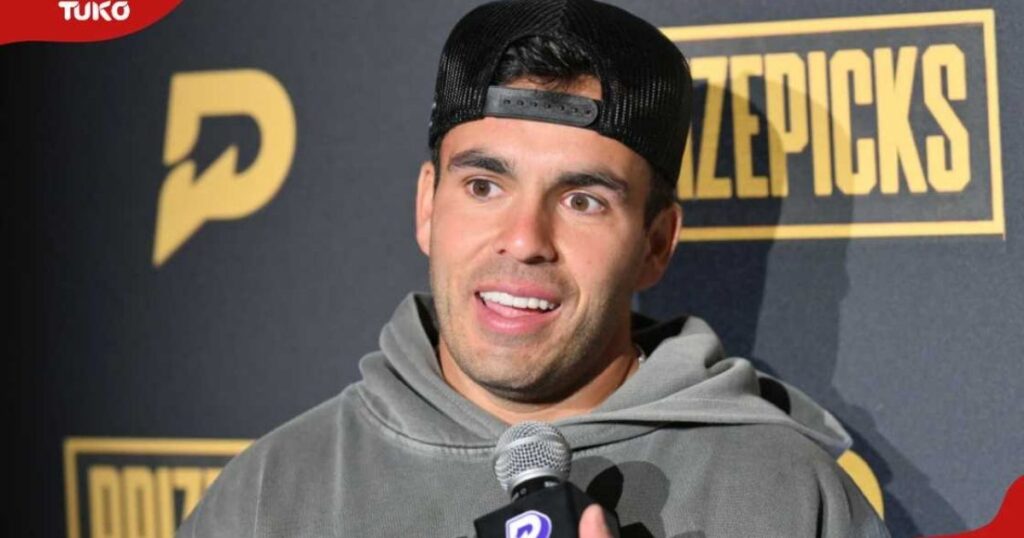
Happy Dad competes with some of the biggest names in the hard seltzer market, including White Claw, Truly, brands from the Mark Anthony Group, the Boston Beer Company, and E & J Gallo Winery. While these companies have nationwide distribution and years of market experience, Happy Dad has carved out its own space by combining creator-driven marketing with a premium product. The brand’s larger 16 oz cans, smoother taste, 5% ABV, and Gluten free formulation made with Fermented cane sugar appeal to consumers looking for an alternative to traditional hard seltzers. Rather than competing only on price, Happy Dad differentiates itself through community engagement, exclusive merchandise, and a lifestyle-focused identity.
Another important advantage is its loyal audience. Traditional beverage companies often invest millions in television and digital advertising to attract customers. Happy Dad, on the other hand, leverages its built-in fan base through the NELK Boys, Full Send, and creator partnerships. This strategy lowers marketing costs while generating high engagement across social platforms. Although established brands still dominate overall Hard seltzer sales, Happy Dad continues gaining recognition and increasing Happy Dad market share by focusing on authenticity, innovation, and customer loyalty.
Key Insights from the Comparison
| Feature | Happy Dad | White Claw | Truly |
| Brand Type | Influencer owned beverage brand | Corporate brand | Corporate brand |
| Launch Year | Founded 2021 | 2016 | 2016 |
| Can Size | 16 oz cans | Mostly 12 oz | Mostly 12 oz |
| Alcohol Content | 5% ABV | 5% ABV | 5% ABV |
| Formula | Fermented cane sugar, Gluten free formulation | Malt-based | Malt-based |
| Marketing Style | Community-driven marketing | Traditional advertising | Traditional advertising |
| Brand Identity | Lifestyle brand | Beverage-focused | Beverage-focused |
Where Is Happy Dad Sold?
Happy Dad has expanded its retail presence rapidly since launching in 2021. Today, Happy Dad distribution reaches 30+ US states, making the beverage accessible to millions of legal-age consumers. The company has partnered with major distributors and retailers to ensure customers can find the product in grocery stores, liquor stores, convenience stores, and warehouse clubs. This nationwide rollout has significantly increased Happy Dad convenience store sales while improving overall brand visibility.
Customers can commonly find Happy Dad at Walmart, Costco, Total Wine, and 7-Eleven, along with many regional liquor retailers and independent beverage stores. Availability varies by state because alcohol distribution laws differ across the United States. The company continues expanding into additional markets while exploring international opportunities through Happy Dad Canada expansion, Happy Dad Europe expansion, and Happy Dad Australia expansion. These growth initiatives could further strengthen retail sales and increase the company’s long-term market presence.
Happy Dad’s Founders and Vision
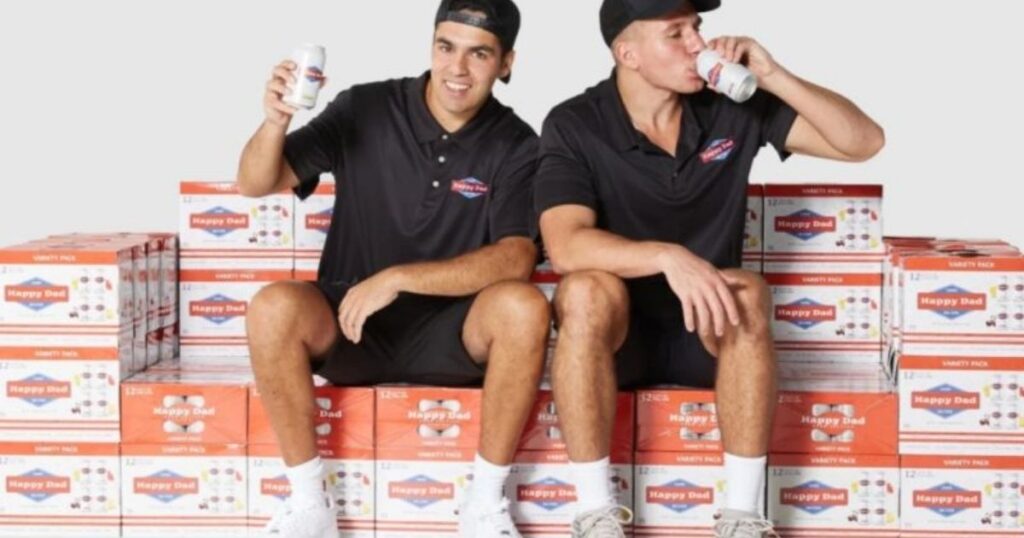
Happy Dad was founded by Happy Dad founders Kyle Forgeard, Sam Shahidi, and John Shahidi, who combined their expertise in digital media, entrepreneurship, and brand building. Their vision was to create more than another hard seltzer. They wanted a beverage that reflected the personality and values of the NELK Boys community while delivering a product consumers would genuinely enjoy. Instead of relying solely on celebrity status, the founders focused on quality, transparency, and long-term customer loyalty.
That vision continues shaping every aspect of the business today. The founders emphasize innovation, community engagement, and authentic storytelling over traditional corporate marketing. Their goal is to expand Happy Dad into a globally recognized Lifestyle brand while introducing new products, entering additional retail markets, and strengthening relationships with loyal customers. This long-term strategy has become a key driver behind the company’s continued growth and increasing Happy Dad brand value.
What Does Happy Dad Taste Like?
Happy Dad has built its reputation by offering a smoother flavor than many competing hard seltzers. Unlike beverages that leave a strong malt aftertaste, Happy Dad delivers a cleaner finish with balanced sweetness and light carbonation. Many consumers describe the drink as crisp, refreshing, and easy to enjoy without the overly artificial flavor found in some competing products. Its recipe has helped the brand stand out in a crowded marketplace where taste often determines repeat purchases.
The company offers a growing lineup of Happy Dad flavors, including Wild Cherry, Lemon Lime, Watermelon, Grape, Pineapple, Banana, Tea, and Fruit Punch. Each flavor is designed to maintain the brand’s signature smooth finish while providing enough variety for different preferences. This expanding product portfolio encourages repeat customers to try new options while supporting continued sales growth across retail channels.
What Alcohol Is in Happy Dad?
Happy Dad is a Premium hard seltzer made using Fermented cane sugar, which creates a cleaner and lighter flavor compared to some malt-based alcoholic beverages. Each standard hard seltzer contains 5% ABV, placing it in the same general alcohol range as many popular beers and competing hard seltzers. The beverage is also known for its Gluten free formulation, making it an attractive option for consumers seeking gluten-free alcoholic drinks.
The combination of fermented cane sugar, filtered water, natural flavors, and carbonation gives Happy Dad its signature taste while keeping the ingredient list relatively simple. By focusing on quality ingredients and consistent production, the company has created a product that appeals to both experienced hard seltzer drinkers and consumers looking for a lighter alternative to traditional beer. This commitment to product quality remains an important factor behind the brand’s growing popularity and continued success.
Tea, Flavors, and Fruit Punch
Happy Dad has expanded beyond its original hard seltzer lineup by introducing products that appeal to different consumer preferences. In addition to its classic seltzers, the company offers hard tea and specialty beverages that continue the brand’s focus on smooth taste and simple ingredients. The introduction of Tea products helped Happy Dad compete in another fast-growing category while attracting customers who prefer tea-based alcoholic drinks over sparkling seltzers. This product diversification has strengthened the company’s reputation for innovation and increased its presence within the premium beverage market.
The growing selection of Happy Dad flavors has also played an important role in customer retention. Popular options include Wild Cherry, Lemon Lime, Watermelon, Grape, Pineapple, Banana, Tea, and Fruit Punch. Each release gives loyal customers something new to try while helping retailers expand shelf space for the brand. Seasonal releases and limited-edition flavors generate excitement across social media, encouraging repeat purchases and supporting continued sales growth throughout the year.
Happy Dad’s Growth and Future Plans
Since being Founded 2021, Happy Dad has experienced remarkable expansion through retail partnerships, product innovation, and strong digital engagement. What started as a creator-backed beverage has evolved into one of the fastest-growing independent brands in the hard seltzer industry. Increased shelf space, expanding Happy Dad distribution, and growing consumer demand have positioned the company for sustained long-term success. As more retailers continue adding the product, the company is expected to strengthen its position in the competitive beverage market.
International expansion represents another important growth opportunity. Plans for Happy Dad Canada expansion, Happy Dad Europe expansion, and Happy Dad Australia expansion could significantly increase global brand recognition over the coming years. Alongside geographic growth, the founders are expected to introduce additional beverage categories, limited-edition collaborations, and new merchandise collections. These initiatives could further increase Happy Dad growth, expand revenue streams, and enhance overall Happy Dad brand value.
Happy Dad’s Net Worth in Perspective
Evaluating the company’s financial position requires looking beyond estimated valuations. Happy Dad has successfully built a recognizable consumer brand in just a few years while competing against multinational beverage companies with decades of experience. Unlike many startups that depend heavily on outside investment, Happy Dad has leveraged its loyal online community to fuel rapid expansion. That combination of customer loyalty, retail growth, and product innovation has become one of the company’s greatest competitive strengths.
Although estimates vary, industry observers generally agree that Happy Dad has established itself as one of the most valuable creator-led beverage brands in North America. Continued retail expansion, increasing brand awareness, and diversified revenue sources suggest the company has room for further growth. If current trends continue, its long-term valuation could rise substantially as the business enters additional domestic and international markets.
Happy dad net worth 2026
The estimated Happy Dad net worth 2026 remains a topic of interest because the company does not publicly disclose its financial statements. Based on available industry reports, estimated annual sales, and comparable beverage companies, analysts commonly value the business between $250 million to $300 million (net worth estimate). Some broader evaluations use a more conservative figure of $100 million (low-end broader estimate), particularly when applying different assumptions for profitability and future growth. These numbers are estimates rather than officially confirmed valuations.
The company’s overall worth reflects much more than beverage sales alone. Factors such as Happy Dad revenue, merchandise, licensing opportunities, retail partnerships, and the strength of its digital audience all contribute to the company’s estimated value. As distribution expands and consumer demand remains strong, Happy Dad appears well positioned to increase both revenue and overall business value in the coming years.
Who is the CEO of Happy Dad?
Many consumers ask, “Who is the CEO of Happy Dad?” The company’s chief executive is Sam Shahidi, who oversees business strategy, operations, and long-term expansion. Before launching Happy Dad, Shahidi built extensive experience in digital media and brand development, helping create one of the most influential creator ecosystems in the industry. His entrepreneurial background has played a significant role in transforming Happy Dad from a startup into a nationally recognized beverage company.
As Happy Dad CEO, Sam Shahidi continues focusing on product innovation, retail expansion, and international growth opportunities. Working alongside Kyle Forgeard and John Shahidi, he has helped establish a company that combines entertainment, community engagement, and premium beverages into a highly successful business model.
Does Steve make money from Happy Dad?
Yes, SteveWillDoIt is widely believed to earn money from Happy Dad through his ownership interest and continued involvement in promoting the brand. Although the company has never publicly disclosed individual ownership percentages or financial arrangements, Steve’s close association with the NELK Boys and the Happy Dad brand has made him one of its most recognizable ambassadors. His social media presence continues driving awareness and product demand among millions of followers.
In addition to any ownership-related returns, Steve may also benefit from merchandise collaborations, promotional campaigns, and branded appearances connected to Happy Dad. However, because the company remains privately owned, exact earnings and compensation details have not been publicly confirmed.
Is Happy Dad a successful company?
Yes. By most business measures, Happy Dad has become a highly successful beverage company in a remarkably short period. The brand has expanded into 30+ US states, secured partnerships with major retailers, introduced multiple product lines, and built one of the strongest creator-driven communities in the industry. Its ability to compete against established beverage giants demonstrates the effectiveness of its marketing strategy and customer engagement.
Industry estimates of Annual revenue $80 million to $150 million further highlight the company’s impressive growth trajectory. While privately held businesses rarely disclose complete financial statements, Happy Dad’s expanding retail footprint, increasing consumer recognition, and estimated valuation all point toward sustained business success.
Did Nelk sell Happy Dad?
No. There is no public evidence that the NELK Boys have sold Happy Dad. The company continues operating as a Privately held company, with its founding leadership remaining actively involved in business operations and brand development. Rumors about ownership changes occasionally circulate online, but the founders have continued promoting the brand through their content and public appearances.
Maintaining private ownership gives the company greater flexibility when making strategic decisions. Without the reporting requirements of a publicly traded corporation, Happy Dad can focus on long-term growth, product development, and expanding distribution while retaining control over the brand’s direction.
Is Happy Dad a healthy drink?
Happy Dad is often marketed as a cleaner alternative within the hard seltzer category because it features a Gluten free formulation and uses Fermented cane sugar. Many consumers also appreciate its relatively simple ingredient profile compared with some flavored malt beverages. However, it remains an alcoholic drink and should be consumed responsibly.
No alcoholic beverage should be considered a health product. While Happy Dad may contain fewer carbohydrates or calories than some traditional alcoholic beverages, moderation remains the most important factor. Consumers should always review nutrition information and choose products that fit their personal dietary needs and lifestyle.
What is happy dad ranked in sales?
Happy Dad has established itself among the fastest-growing independent hard seltzer brands in the United States, although exact national rankings vary depending on the reporting source and time period. The company’s strong retail expansion and loyal customer base have helped increase Hard seltzer sales while improving overall Happy Dad market share in a highly competitive industry.
Because the company is privately owned, official sales rankings are not consistently published. Even so, its presence in major retail chains and rapid growth since launch demonstrate that Happy Dad has become a significant competitor within the premium hard seltzer market.
Is Happy Dad healthier than beer?
Many consumers view Happy Dad as a lighter alternative to traditional beer because of its Gluten free formulation, cleaner ingredient profile, and 5% ABV. Depending on the specific beer being compared, some Happy Dad products may contain fewer carbohydrates or calories, making them appealing to consumers seeking a lighter alcoholic beverage.
However, “healthier” depends on the individual product and personal dietary goals. Both beer and hard seltzer contain alcohol, so responsible consumption remains essential. Rather than labeling one as universally healthier, it is more accurate to compare nutrition facts, ingredients, and serving sizes before making a choice.
Happy Dad ownership percentage
One of the most frequently searched topics is Happy Dad ownership percentage, yet the company has never released an official breakdown of equity ownership. As a Privately held company, it is not required to disclose shareholder percentages publicly. The business is known to have been founded by Kyle Forgeard, Sam Shahidi, and John Shahidi, while SteveWillDoIt has been widely reported to hold a minority ownership interest. The exact percentages, however, remain confidential.
This private ownership structure allows the founders to maintain strategic control while pursuing long-term growth without public market pressure. Until the company voluntarily releases additional information or becomes publicly traded, any published ownership percentages should be treated as speculation rather than confirmed fact.
FAQs
Who are the owners of Happy Dad Hard Seltzer?
Happy Dad Hard Seltzer was founded by Kyle Forgeard, Sam Shahidi, and John Shahidi. The company is privately owned, and exact ownership percentages haven’t been publicly disclosed.
What is Happy Dad’s net worth in 2025?
Industry estimates valued Happy Dad at approximately $250 million to $300 million, although conservative estimates placed it closer to $100 million due to limited public financial data.
How much alcohol is in Happy Dad?
Most Happy Dad Hard Seltzer products contain 5% ABV, delivering an alcohol content similar to many beers and competing premium hard seltzers available in the U.S.
Why is Happy Dad so popular?
Happy Dad became popular through the NELK Boys, engaging social media marketing, quality flavors, loyal fans, and widespread retail availability across the United States.
Where can I buy Happy Dad?
Happy Dad is available in 30+ U.S. states through retailers including Walmart, Costco, Total Wine, 7-Eleven, liquor stores, and selected convenience stores.
What are Happy Dad’s top flavors?
Popular Happy Dad flavors include Wild Cherry, Lemon Lime, Watermelon, Grape, Pineapple, Banana, Tea, and Fruit Punch, offering options for different tastes.
How is Happy Dad different from other seltzers?
Happy Dad features 16 oz cans, 5% ABV, a gluten-free formulation, fermented cane sugar, smoother flavor, and strong creator-driven branding that distinguishes it from competitors.
Does Happy Dad have merchandise?
Yes. Happy Dad sells branded merchandise including apparel, hats, accessories, and limited-edition collections that complement its beverage lineup and strengthen its lifestyle brand identity.
How much does Happy Dad earn per year?
Industry analysts estimate Happy Dad generates approximately $80 million to $150 million in annual revenue, though the privately held company doesn’t release official financial statements.
Is Happy Dad expanding globally?
Yes. Happy Dad has expressed interest in expanding beyond the United States, with growth plans and market opportunities discussed for Canada, Europe, and Australia.
Conclusion
Happy Dad has become one of the fastest-growing creator-led beverage brands in the United States by combining premium hard seltzers with powerful digital marketing and a loyal online community. Founded in 2021 by Kyle Forgeard, Sam Shahidi, and John Shahidi, the company has expanded into more than 30 U.S. states while competing with major brands like White Claw and Truly. Its smooth taste, 5% ABV, gluten-free formulation, and lifestyle-focused branding have fueled rapid growth and strong consumer recognition.
Although Happy Dad remains privately held, industry estimates value the company between $250 million and $300 million, supported by growing revenue, expanding retail distribution, and increasing brand value. Continued product innovation, international expansion plans, and creator-driven marketing position Happy Dad for long-term success in the competitive alcoholic beverage industry.

